Saddanta Jataka
Saddanta Jataka
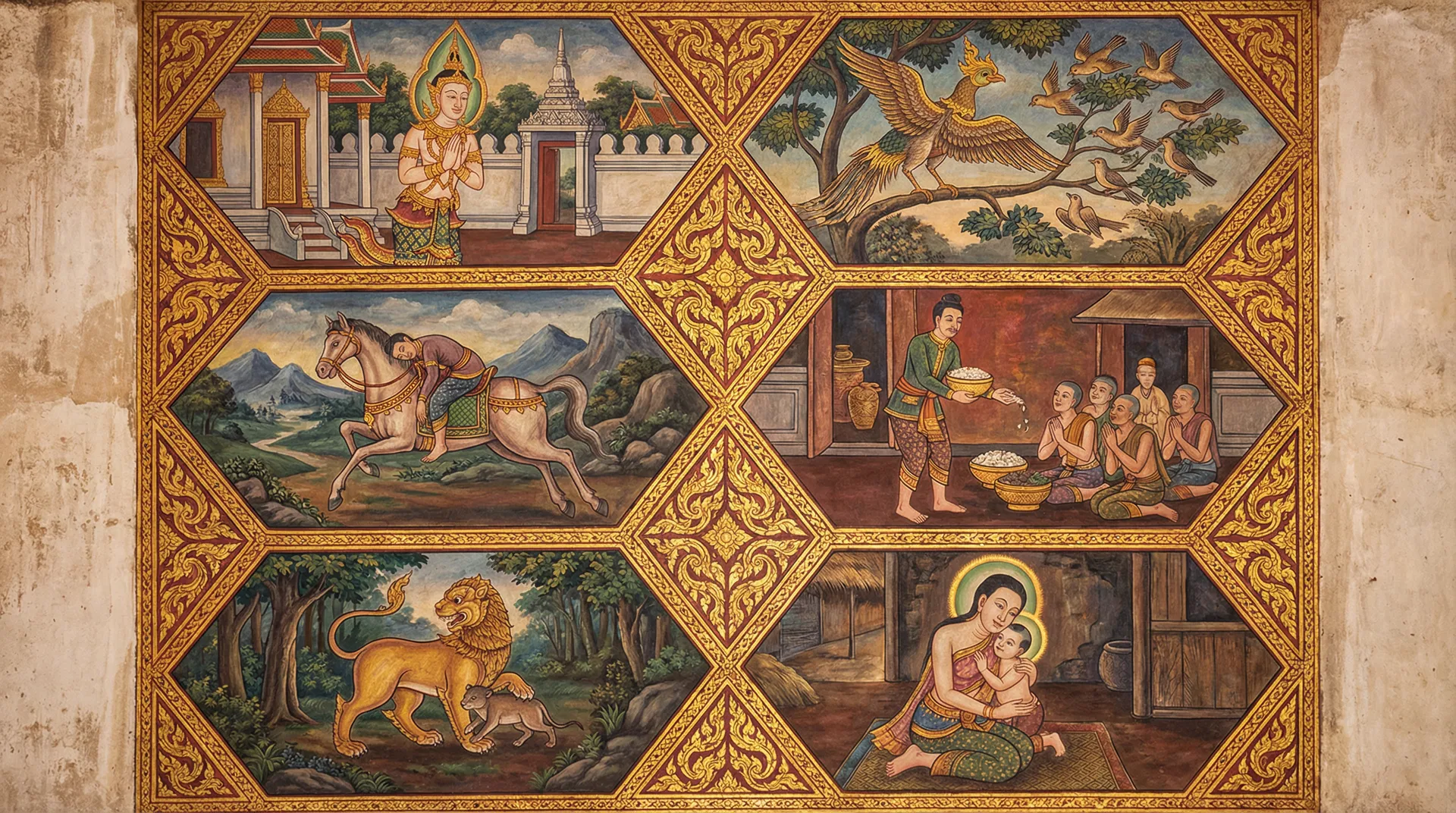
In the dense, ancient forests of the Himalayas, there roamed a magnificent white elephant, a creature of unparalleled beauty and strength. This was no ordinary elephant; he was a Bodhisatta, a being destined to become a Buddha, and he possessed six great tusks of pure ivory, gleaming like polished moonstones. His name was Saddanta, and he lived a life of profound peace and compassion, dwelling in seclusion and embodying the highest virtues. Saddanta roamed the forest with grace, his presence a blessing to the surrounding flora and fauna. He nourished himself on wild fruits and herbs, and his days were spent in quiet contemplation and kindness towards all creatures. He harbored no ill will, no anger, only a deep sense of equanimity and love for the world. In the city of Varanasi, however, lived a king who was consumed by greed and ambition. King Brahmadatta was a ruler who desired to possess everything he laid his eyes upon, and his heart was never content. One day, he heard tales of the legendary white elephant of the Himalayas, an elephant whose six tusks were said to be made of the purest, most radiant ivory, worth more than any treasure in the world. The king became obsessed with acquiring these tusks for himself. He envisioned them adorning his palace, a testament to his power and his wealth. Driven by this insatiable desire, he assembled a large hunting party, equipped with weapons and traps, and set out into the treacherous Himalayan forests. The king and his men searched for days, enduring hardships and facing the dangers of the wild. Finally, they stumbled upon the serene abode of Saddanta. The white elephant, with his majestic presence and his six gleaming tusks, was even more magnificent than the legends had described. The king's greed intensified upon seeing him. He ordered his hunters to capture the Bodhisatta. Saddanta, possessing divine foresight, knew that his time had come. He understood that his destiny was intertwined with the king's insatiable desire. He did not resist capture, but rather walked calmly towards the king's men. However, the king’s men, fearing the elephant’s immense strength and his serene yet powerful aura, were hesitant. Saddanta, seeing their fear, spoke to them in a clear, resonant voice, "Fear me not. I know why you have come. Take me to your king. I shall willingly give him my tusks." The hunters, astonished by the elephant's ability to speak and his apparent willingness to cooperate, conveyed his message to King Brahmadatta. The king, overjoyed at the prospect of obtaining the tusks without a struggle, eagerly welcomed Saddanta into his presence. Saddanta, standing before the king, bowed his great head. "Your Majesty," he said, his voice filled with compassion, "I have heard of your desire for my tusks. I am willing to offer them to you, for I understand the nature of desire and its power to bind beings. But I ask one thing in return. I wish to speak with you, to impart some wisdom before I relinquish what you seek." The king, eager for the tusks, readily agreed. Saddanta then began to speak, not of the value of his tusks, but of the impermanence of all possessions, the suffering caused by greed, and the liberation found in detachment. He spoke of the interconnectedness of all beings and the importance of compassion. He explained that true happiness does not come from acquiring material wealth, but from cultivating inner peace and contentment. He described the emptiness of worldly desires and the suffering they inevitably lead to. He spoke of the power of generosity and the joy of selfless giving. The king, however, was too blinded by his greed to truly comprehend Saddanta's words. He listened, but his mind was fixated on the gleaming ivory. He interrupted the elephant, impatient to have the tusks removed. Saddanta, seeing the king's unyielding attachment, sighed. He knew that the king's heart was not yet ready to receive true wisdom. With a heavy heart, he lay down on the ground, offering his magnificent tusks to the king. The king’s hunters, following the king’s command, set to work. They used saws to sever the six great tusks from Saddanta’s head. It was a brutal and agonizing process. As the tusks were removed, Saddanta, the Bodhisatta, endured immense pain. Yet, even in his suffering, his mind remained calm. He bore no hatred towards the king or his men. He forgave them, understanding that they were acting out of ignorance and attachment. As the last tusk was removed, Saddanta, the white elephant, breathed his last. His physical form perished, but his spirit, infused with immense merit and compassion, ascended to a higher realm. King Brahmadatta, upon receiving the tusks, was initially triumphant. He returned to Varanasi, proudly displaying his new treasure. However, he soon found that the tusks brought him no lasting joy. They were merely dead ivory, devoid of the life and wisdom that had emanated from the magnificent elephant. The king's greed remained unfulfilled, and he was plagued by a sense of unease and emptiness. He found himself constantly haunted by the image of Saddanta's serene face and the echo of his wise words. The king's reign, once seemingly prosperous, began to crumble. His subjects, witnessing his insatiable greed and his cruelty, lost respect for him. The kingdom fell into disarray, and the king became increasingly isolated and unhappy. The story of Saddanta, the white elephant, spread far and wide, becoming a cautionary tale about the destructive nature of greed and the profound power of compassion and detachment. It served as a reminder that true treasures are not material possessions, but the virtues cultivated within one's own heart.
Greed is a destructive force that leads to suffering and emptiness. True happiness and liberation are found in detachment, compassion, and the cultivation of inner virtues.
— In-Article Ad —
💡ၶေႃႈသွၼ်
การใช้สติปัญญาและความอ่อนน้อม นำมาซึ่งความสงบสุข
ပႃႇရမီႇ: ปัญญา, วิริยะ, สัจจะ
— Ad Space (728x90) —
ၸႃႇတၵဢၼ်ၼႃႈသူၼ်ၸႂ်
 527Mahānipāta
သၵၵ်ႉ 527: ၵူၼ်းၶႃႉသၢႆ
Jataka Tale #527: Sujata Jataka သၵၵ်ႉ 527: ၵူၼ်းၶႃႉသၢႆ ၵálnyāṁ muṁ, maṁsaṁ vaṁ, bāhaṁ vaṁ, d...
💡 ၶႃ႒ၼႃ႒ၵႄႊလႄႊဢႃႊၼႃႊ ဢႃႊၵႄႊၸႄႊဢႃႊ ဢႃႊၵႄႊဢႃႊၶႃႊ ၸႄႊဢႃႊၶႃႊ ဢႃႊၶႃႊ ၸႄႊဢႃႊၶႃႊ ၸႄႊဢႃႊၶႃႊ
 95Ekanipāta
Mahasattva Jataka
Mahasattva JatakaIn the heart of ancient India, amidst the lush greenery and the symphony of chirpin...
💡 ปั๋นล้ำปั๋นต๋าง ย่อมเป๋นก๋ำม๋าก๋ำจ๋าง ต๋างกำจ๋ายโก๋งเฮี่ยง
 279Tikanipāta
ၵႅပ်ႉ ပိုၵ်ႉ ႄၵႇ ၵႂၢင်း ႄၵႇ ၵႂၢင်း ႄၵႇ ၵႂၢင်း ႄၵႇ ၵႂၢင်း ႄၵႇ ၵႂၢင်း ႄၵႇ ၵႂၢင်း ႄၵႇ ၵႂၢင်း ႄၵႇ ၵႂၢင်း ႄၵႇ ၵႂၢင်း ႄၵႇ ၵႂၢင်း ႄၵႇ ၵႂၢင်း ႄၵႇ ၵႂၢင်း ႄၵႇ ၵႂၢင်း ႄၵႇ ၵႂၢင်း ႄၵႇ ၵႂၢင်း ႄၵႇ ၵႂၢင်း ႄၵႇ ၵႂၢင်း ႄၵႇ ၵႂၢင်း ႄၵႇ ၵႂၢင်း ႄၵႇ ၵႂၢင်း ႄၵႇ ၵႂၢင်း ႄၵႇ ၵႂၢင်း ႄၵႇ ၵႂၢင်း ႄၵႇ ၵႂၢင်း ႄၵႇ ၵႂၢင်း ႄၵႇ ၵႂၢင်း ႄၵႇ ၵႂၢင်း ႄၵႇ ၵႂၢင်း ႄၵႇ ၵႂၢင်း ႄၵႇ ၵႂၢင်း ႄၵႇ ၵႂၢင်း ႄၵႇ ၵႂၢင်း ႄၵႇ ၵႂၢင်း ႄၵႇ ၵႂၢင်း ႄၵႇ ၵႂၢင်း ႄၵႇ ၵႂၢင်း ႄၵႇ ၵႂၢင်း ႄၵႇ ၵႂၢင်း ႄၵႇ ၵႂၢင်း ႄၵႇ ၵႂၢင်း ႄၵႇ ၵႂၢင်း ႄၵႇ ၵႂၢင်း ႄၵႇ ၵႂၢင်း ႄၵႇ ၵႂၢင်း ႄၵႇ ၵႂၢင်း ႄၵႇ ၵႂၢင်း ႄၵႇ ၵႂၢင်း ႄၵႇ ၵႂၢင်း ႄၵႇ ၵႂၢင်း ႄၵႇ ၵႂၢင်း ႄၵႇ ၵႂၢင်း ႄၵႇ ၵႂၢင်း ႄၵႇ ၵႂၢင်း ႄၵႇ ၵႂၢင်း ႄၵႇ ၵႂၢင်း ႄၵႇ ၵႂၢင်း ႄၵႇ ၵႂၢင်း ႄၵႇ ၵႂၢင်း ႄၵႇ ၵႂၢင်း ႄၵႇ ၵႂၢင်း ႄၵႇ ၵႂၢင်း ႄၵႇ ၵႂၢင်း ႄၵႇ ၵႂၢင်း ႄၵႇ ၵႂၢင်း ႄၵႇ ၵႂၢင်း ႄၵႇ ၵႂၢင်း ႄၵႇ ၵႂၢင်း ႄၵႇ ၵႂၢင်း ႄၵႇ ၵႂၢင်း ႄၵႇ ၵႂၢင်း ႄၵႇ ၵႂၢင်း ႄၵႇ ၵႂၢင်း ႄၵႇ ၵႂၢင်း ႄၵႇ ၵႂၢင်း ႄၵႇ ၵႂၢင်း ႄၵႇ ၵႂၢင်း ႄၵႇ ၵႂၢင်း ႄၵႇ ၵႂၢင်း ႄၵႇ ၵႂၢင်း ႄၵႇ ၵႂၢင်း ႄၵႇ ၵႂၢင်း ႄၵႇ ၵႂၢင်း ႄၵႇ ၵႂၢင်း ႄၵႇ ၵႂၢင်း ႄၵႇ ၵႂၢင်း ႄၵႇ ၵႂၢင်း ႄၵႇ ၵႂၢင်း ႄၵႇ ၵႂၢင်း ႄၵႇ ၵႂၢင်း ႄၵႇ ၵႂၢင်း ႄၵႇ ၵႂၢင်း ႄၵႇ ၵႂၢင်း ႄၵႇ ၵႂၢင်း ႄၵႇ ၵႂၢင်း ႄၵႇ ၵႂၢင်း ႄၵႇ ၵႂၢင်း ႄၵႇ ၵႂၢင်း ႄၵႇ ၵႂၢင်း ႄၵႇ ၵႂၢင်း ႄၵႇ ၵႂၢင်း ႄၵႇ ၵႂၢင်း ႄၵႇ ၵႂၢင်း ႄၵႇ ၵႂၢင်း ႄၵႇ ၵႂၢင်း ႄၵႇ ၵႂၢင်း ႄၵႇ ၵႂၢင်း ႄၵႇ ၵႂၢင်း ႄၵႇ ၵႂၢင်း ႄၵႇ ၵႂၢင်း ႄၵႇ ၵႂၢင်း ႄၵႇ ၵႂၢင်း ႄၵႇ ၵႂၢင်း ႄၵႇ ၵႂၢင်း ႄၵႇ ၵႂၢင်း ႄၵႇ ၵႂၢင်း ႄၵႇ ၵႂၢင်း ႄၵႇ ၵႂၢင်း ႄၵႇ ၵႂၢင်း ႄၵႇ ၵႂၢင်း ႄၵႇ ၵႂၢင်း ႄၵႇ ၵႂၢင်း ႄၵႇ ၵႂၢင်း ႄၵႇ ၵႂၢင်း ႄၵႇ ၵႂၢင်း ႄၵႇ ၵႂၢင်း ႄၵႇ ၵႂၢင်း ႄၵႇ ၵႂၢင်း ႄၵႇ ၵႂၢင်း ႄၵႇ ၵႂၢင်း ႄၵႇ ၵႂၢင်း ႄၵႇ ၵႂၢင်း ႄၵႇ ၵႂၢင်း ႄၵႇ ၵႂၢင်း ႄၵႇ ၵႂၢင်း ႄၵႇ ၵႂၢင်း ႄၵႇ ၵႂၢင်း ႄၵႇ ၵႂၢင်း ႄၵႇ ၵႂၢင်း ႄၵႇ ၵႂၢင်း ႄၵႇ ၵႂၢင်း ႄၵႇ ၵႂၢင်း ႄၵႇ ၵႂၢင်း ႄၵႇ ၵႂၢင်း ႄၵႇ ၵႂၢင်း ႄၵႇ ၵႂၢင်း ႄၵႇ ၵႂၢင်း ႄၵႇ ၵႂၢင်း ႄၵႇ ၵႂၢင်း ႄၵႇ ၵႂၢင်း ႄၵႇ ၵႂၢင်း ႄၵႇ ၵႂၢင်း ႄၵႇ ၵႂၢင်း ႄၵႇ ၵႂၢင်း ႄၵႇ ၵႂၢင်း ႄၵႇ ၵႂၢင်း ႄၵႇ ၵႂၢင်း ႄၵႇ ၵႂၢင်း ႄၵႇ ၵႂၢင်း ႄၵႇ ၵႂၢင်း ႄၵႇ ၵႂၢင်း ႄၵႇ ၵႂၢင်း ႄၵႇ ၵႂၢင်း ႄၵႇ ၵႂၢင်း ႄၵႇ ၵႂၢင်း ႄၵႇ ၵႂၢင်း ႄၵႇ ၵႂၢင်း ႄၵႇ ၵႂၢင်း ႄၵႇ ၵႂၢင်း ႄၵႇ ၵႂၢင်း ႄၵႇ ၵႂၢင်း ႄၵႇ ၵႂၢင်း ႄၵႇ ၵႂၢင်း ႄၵႇ ၵႂၢင်း ႄၵႇ ၵႂၢင်း ႄၵႇ ၵႂၢင်း ႄၵႇ ၵႂၢင်း ႄၵႇ ၵႂၢင်း ႄၵႇ ၵႂၢင်း ႄၵႇ ၵႂၢင်း ႄၵႇ ၵႂၢင်း ႄၵႇ ၵႂၢင်း ႄၵႇ ၵႂၢင်း ႄၵႇ ၵႂၢင်း ႄၵႇ ၵႂၢင်း ႄၵႇ ၵႂၢင်း ႄၵႇ ၵႂၢင်း ႄၵႇ ၵႂၢင်း ႄၵႇ ၵႂၢင်း ႄၵႇ ၵႂၢင်း ႄၵႇ ၵႂၢင်း ႄၵႇ ၵႂၢင်း ႄၵႇ ၵႂၢင်း ႄၵႇ ၵႂၢင်း ႄၵႇ ၵႂၢင်း ႄၵႇ ၵႂၢင်း ႄၵႇ ၵႂၢင်း ႄၵႇ ၵႂၢင်း ႄၵႇ ၵႂၢင်း ႄၵႇ ၵႂၢင်း ႄၵႇ ၵႂၢင်း ႄၵႇ ၵႂၢင်း ႄၵႇ ၵႂၢင်း ႄၵႇ ၵႂၢင်း ႄၵႇ ၵႂၢင်း ႄၵႇ ၵႂၢင်း ႄၵႇ ၵႂၢင်း ႄၵႇ ၵႂၢင်း ႄၵႇ ၵႂၢင်း ႄၵႇ ၵႂၢင်း ႄၵႇ ၵႂၢင်း ႄၵႇ ၵႂၢင်း ႄၵႇ ၵႂၢင်း ႄၵႇ ၵႂၢင်း ႄၵႇ ၵႂၢင်း ႄၵႇ ၵႂၢင်း ႄၵႇ ၵႂၢင်း ႄၵႇ ၵႂၢင်း ႄၵႇ ၵႂၢင်း ႄၵႇ ၵႂၢင်း ႄၵႇ ၵႂၢင်း ႄၵႇ ၵႂၢင်း ႄၵႇ ၵႂၢင်း ႄၵႇ ၵႂၢင်း ႄၵႇ ၵႂၢင်း ႄၵႇ ၵႂၢင်း ႄၵႇ ၵႂၢင်း ႄၵႇ ၵႂၢင်း ႄၵႇ ၵႂၢင်း ႄၵႇ ၵႂၢင်း ႄၵႇ ၵႂၢင်း ႄၵႇ ၵႂၢင်း ႄၵႇ ၵႂၢင်း ႄၵႇ ၵႂၢင်း ႄၵႇ ၵႂၢင်း ႄၵႇ ၵႂၢင်း ႄၵႇ ၵႂၢင်း ႄၵႇ ၵႂၢင်း ႄၵႇ ၵႂၢင်း ႄၵႇ ၵႂၢင်း ႄၵႇ ၵႂၢင်း ႄၵႇ ၵႂၢင်း ႄၵႇ ၵႂၢင်း ႄၵႇ ၵႂၢင်း ႄၵႇ ၵႂၢင်း ႄၵႇ ၵႂၢင်း ႄၵႇ ၵႂၢင်း ႄၵႇ ၵႂၢင်း ႄၵႇ ၵႂၢင်း ႄၵႇ ၵႂၢင်း ႄၵႇ ၵႂၢင်း ႄၵႇ ၵႂၢင်း ႄၵႇ ၵႂၢင်း ႄၵႇ ၵႂၢင်း ႄၵႇ ၵႂၢင်း ႄၵႇ ၵႂၢင်း ႄၵႇ ၵႂၢင်း ႄၵႇ ၵႂၢင်း ႄၵႇ ၵႂၢင်း ႄၵႇ ၵႂၢင်း ႄၵႇ ၵႂၢင်း ႄၵႇ ၵႂၢင်း ႄၵႇ ၵႂၢင်း ႄၵႇ ၵႂၢင်း ႄၵႇ ၵႂၢင်း ႄၵႇ ၵႂၢင်း ႄၵႇ ၵႂၢင်း ႄၵႇ ၵႂၢင်း ႄၵႇ ၵႂၢင်း ႄၵႇ ၵႂၢင်း ႄၵႇ ၵႂၢင်း ႄၵႇ ၵႂၢင်း ႄၵႇ ၵႂၢင်း ႄၵႇ ၵႂၢင်း ႄၵႇ ၵႂၢင်း ႄၵႇ ၵႂၢင်း ႄၵႇ ၵႂၢင်း ႄၵႇ ၵႂၢင်း ႄၵႇ ၵႂၢင်း ႄၵႇ ၵႂၢင်း ႄၵႇ ၵႂၢင်း ႄၵႇ ၵႂၢင်း ႄၵႇ ၵႂၢင်း ႄၵႇ ၵႂၢင်း ႄၵႇ ၵႂၢင်း ႄၵႇ ၵႂၢင်း ႄၵႇ ၵႂၢင်း ႄၵႇ ၵႂၢင်း ႄၵႇ ၵႂၢင်း ႄၵႇ ၵႂၢင်း ႄၵႇ ၵႂၢင်း ႄၵႇ ၵႂၢင်း ႄၵႇ ၵႂၢင်း ႄၵႇ ၵႂၢင်း ႄၵႇ ၵႂၢင်း ႄၵႇ ၵႂၢင်း ႄၵႇ ၵႂၢင်း ႄၵႇ ၵႂၢင်း ႄၵႇ ၵႂၢင်း ႄၵႇ ၵႂၢင်း ႄၵႇ ၵႂၢင်း ႄၵႇ ၵႂၢင်း ႄၵႇ ၵႂၢင်း ႄၵႇ ၵႂၢင်း ႄၵႇ ၵႂၢင်း ႄၵႇ ၵႂၢင်း ႄၵႇ ၵႂၢင်း ႄၵႇ ၵႂၢင်း ႄၵႇ ၵႂၢင်း ႄၵႇ ၵႂၢင်း ႄၵႇ ၵႂၢင်း ႄၵႇ ၵႂၢင်း ႄၵႇ ၵႂၢင်း ႄၵႇ ၵႂၢင်း ႄၵႇ ၵႂၢင်း ႄၵႇ ၵႂၢင်း ႄၵႇ ၵႂၢင်း ႄၵႇ ၵႂၢင်း ႄၵႇ ၵႂၢင်း ႄၵႇ ၵႂၢင်း ႄၵႇ ၵႂၢင်း ႄၵႇ ၵႂၢင်း ႄၵႇ ၵႂၢင်း ႄၵႇ ၵႂၢင်း ႄၵႇ ၵႂၢင်း ႄၵႇ ၵႂၢင်း ႄၵႇ ၵႂၢင်း ႄၵႇ ၵႂၢင်း ႄၵႇ ၵႂၢင်း ႄၵႇ ၵႂၢင်း ႄၵႇ ၵႂၢင်း ႄၵႇ ၵႂၢင်း ႄၵႇ ၵႂၢင်း ႄၵႇ ၵႂၢင်း ႄၵႇ ၵႂၢင်း ႄၵႇ ၵႂၢင်း ႄၵႇ ၵႂၢင်း ႄၵႇ ၵႂၢင်း ႄၵႇ ၵႂၢင်း ႄၵႇ ၵႂၢင်း ႄၵႇ ၵႂၢင်း ႄၵႇ ၵႂၢင်း ႄၵႇ ၵႂၢင်း ႄၵႇ ၵႂၢင်း ႄၵႇ ၵႂၢင်း ႄၵႇ ၵႂၢင်း ႄၵႇ ၵႂၢင်း ႄၵႇ ၵႂၢင်း ႄၵႇ ၵႂၢင်း ႄၵႇ ၵႂၢင်း ႄၵႇ ၵႂၢင်း ႄၵႇ ၵႂၢင်း ႄၵႇ ၵႂၢင်း ႄၵႇ ၵႂၢင်း ႄၵႇ ၵႂၢင်း ႄၵႇ ၵႂၢင်း ႄၵႇ ၵႂၢင်း ႄၵႇ ၵႂၢင်း ႄၵႇ ၵႂၢင်း ႄၵႇ ၵႂၢင်း ႄၵႇ ၵႂၢင်း ႄၵႇ ၵႂၢင်း ႄၵႇ ၵႂၢင်း ႄၵႇ ၵႂၢင်း ႄၵႇ ၵႂၢင်း ႄၵႇ ၵႂၢင်း ႄၵႇ ၵႂၢင်း ႄၵႇ ၵႂၢင်း ႄၵႇ ၵႂၢင်း ႄၵႇ ၵႂၢင်း ႄၵႇ ၵႂၢင်း ႄၵႇ ၵႂၢင်း ႄၵႇ ၵႂၢင်း ႄၵႇ ၵႂၢင်း ႄၵႇ ၵႂၢင်း ႄၵႇ ၵႂၢင်း ႄၵႇ ၵႂၢင်း ႄၵႇ ၵႂၢင်း ႄၵႇ ၵႂၢင်း ႄၵႇ ၵႂၢင်း ႄၵႇ ၵႂၢင်း ႄၵႇ ၵႂၢင်း ႄၵႇ ၵႂၢင်း ႄၵႇ ၵႂၢင်း ႄၵႇ ၵႂၢင်း ႄၵႇ ၵႂၢင်း ႄၵႇ ၵႂၢင်း ႄၵႇ ၵႂၢင်း ႄၵႇ ၵႂၢင်း ႄၵႇ ၵႂၢင်း ႄၵႇ ၵႂၢင်း ႄၵႇ ၵႂၢင်း ႄၵႇ ၵႂၢင်း ႄၵႇ ၵႂၢင်း ႄၵႇ ၵႂၢင်း ႄၵႇ ၵႂၢင်း ႄၵႇ ၵႂၢင်း ႄၵႇ ၵႂၢင်း ႄၵႇ ၵႂၢင်း ႄၵႇ ၵႂၢင်း ႄၵႇ ၵႂၢင်း ႄၵႇ ၵႂၢင်း ႄၵႇ ၵႂၢင်း ႄၵႇ ၵႂၢင်း ႄၵႇ ၵႂၢင်း ႄၵႇ ၵႂၢင်း ႄၵႇ ၵႂၢင်း ႄၵႇ ၵႂၢင်း ႄၵႇ ၵႂၢင်း ႄၵႇ ၵႂၢင်း ႄၵႇ ၵႂၢင်း ႄၵႇ ၵႂၢင်း ႄၵႇ ၵႂၢင်း ႄၵႇ ၵႂၢင်း ႄၵႇ ၵႂၢင်း ႄၵႇ ၵႂၢင်း ႄၵႇ ၵႂၢင်း ႄၵႇ ၵႂၢင်း ႄၵႇ ၵႂၢင်း ႄၵႇ ၵႂၢင်း ႄၵႇ ၵႂၢင်း ႄၵႇ ၵႂၢင်း ႄၵႇ ၵႂၢင်း ႄၵႇ ၵႂၢင်း ႄၵႇ ၵႂၢင်း ႄၵႇ ၵႂၢင်း ႄၵႇ ၵႂၢင်း ႄၵႇ ၵႂၢင်း ႄၵႇ ၵႂၢင်း ႄၵႇ ၵႂၢင်း ႄၵႇ ၵႂၢင်း ႄၵႇ ၵႂၢင်း ႄၵႇ ၵႂၢင်း ႄၵႇ ၵႂၢင်း ႄၵႇ ၵႂၢင်း ႄၵႇ ၵႂၢင်း ႄၵႇ ၵႂၢင်း ႄၵႇ ၵႂၢင်း ႄၵႇ ၵႂၢင်း ႄၵႇ ၵႂၢင်း ႄၵႇ ၵႂၢင်း ႄၵႇ ၵႂၢင်း ႄၵႇ ၵႂၢင်း ႄၵႇ ၵႂၢင်း ႄၵႇ ၵႂၢင်း ႄၵႇ ၵႂၢင်း ႄၵႇ ၵႂၢင်း ႄၵႇ ၵႂၢင်း ႄၵႇ ၵႂၢင်း ႄၵႇ ၵႂၢင်း ႄၵႇ ၵႂၢင်း ႄၵႇ ၵႂၢင်း ႄၵႇ ၵႂၢင်း ႄၵႇ ၵႂၢင်း ႄၵႇ ၵႂၢင်း ႄၵႇ ၵႂၢင်း ႄၵႇ ၵႂၢင်း ႄၵႇ ၵႂၢင်း ႄၵႇ ၵႂၢင်း ႄၵႇ ၵႂၢင်း ႄၵႇ ၵႂၢင်း ႄၵႇ ၵႂၢင်း ႄၵႇ ၵႂၢင်း ႄၵႇ ၵႂၢင်း ႄၵႇ ၵႂၢင်း ႄၵႇ ၵႂၢင်း ႄၵႇ ၵႂၢင်း ႄၵႇ ၵႂၢင်း ႄၵႇ ၵႂၢင်း ႄၵႇ ၵႂၢင်း ႄၵႇ ၵႂၢင်း ႄၵႇ ၵႂၢင်း ႄၵႇ ၵႂၢင်း ႄၵႇ ၵႂၢင်း ႄၵႇ ၵႂၢင်း ႄၵႇ ၵႂၢင်း ႄၵႇ ၵႂၢင်း ႄၵႇ ၵႂၢင်း ႄၵႇ ၵႂၢင်း ႄၵႇ ၵႂၢင်း ႄၵႇ ၵႂၢင်း ႄၵႇ ၵႂၢင်း ႄၵႇ ၵႂၢင်း ႄၵႇ ၵႂၢင်း ႄၵႇ ၵႂၢင်း ႄၵႇ ၵႂၢင်း ႄၵႇ ၵႂၢင်း ႄၵႇ ၵႂၢင်း ႄၵႇ ၵႂၢင်း ႄၵႇ ၵႂၢင်း ႄၵႇ ၵႂၢင်း ႄၵႇ ၵႂၢင်း ႄၵႇ ၵႂၢင်း ႄၵႇ ၵႂၢင်း ႄၵႇ ၵႂၢင်း ႄၵႇ ၵႂၢင်း ႄၵႇ ၵႂၢင်း ႄၵႇ ၵႂၢင်း ႄၵႇ ၵႂၢင်း ႄၵႇ ၵႂၢင်း ႄၵႇ ၵႂၢင်း ႄၵႇ ၵႂၢင်း ႄၵႇ ၵႂၢင်း ႄၵႇ ၵႂၢင်း ႄၵႇ ၵႂၢင်း ႄၵႇ ၵႂၢင်း ႄၵႇ ၵႂၢင်း ႄၵႇ ၵႂၢင်း ႄၵႇ ၵႂၢင်း ႄၵႇ ၵႂၢင်း ႄၵႇ ၵႂၢင်း ႄၵႇ ၵႂၢင်း ႄၵႇ ၵႂၢင်း ႄၵႇ ၵႂၢင်း ႄၵႇ ၵႂၢင်း ႄၵႇ ၵႂၢင်း ႄၵႇ ၵႂၢင်း ႄၵႇ ၵႂၢင်း ႄၵႇ ၵႂၢင်း ႄၵႇ ၵႂၢင်း ႄၵႇ ၵႂၢင်း ႄၵႇ ၵႂၢင်း ႄၵႇ ၵႂၢင်း ႄၵႇ ၵႂၢင်း ႄၵႇ ၵႂၢင်း ႄၵႇ ၵႂၢင်း ႄၵႇ ၵႂၢင်း ႄၵႇ ၵႂၢင်း ႄၵႇ ၵႂၢင်း ႄၵႇ ၵႂၢင်း ႄၵႇ ၵႂၢင်း ႄၵႇ ၵႂၢင်း ႄၵႇ ၵႂၢင်း ႄၵႇ ၵႂၢင်း ႄၵႇ ၵႂၢင်း ႄၵႇ ၵႂၢင်း ႄၵႇ ၵႂၢင်း ႄၵႇ ၵႂၢင်း ႄၵႇ ၵႂၢင်း ႄၵႇ ၵႂၢင်း ႄၵႇ ၵႂၢင်း ႄၵႇ ၵႂၢင်း ႄၵႇ ၵႂၢင်း ႄၵႇ ၵႂၢင်း ႄၵႇ ၵႂၢင်း ႄၵႇ ၵႂၢင်း ႄၵႇ ၵႂၢင်း ႄၵႇ ၵႂၢင်း ႄၵႇ ၵႂၢင်း ႄၵႇ ၵႂၢင်း ႄၵႇ ၵႂၢင်း ႄၵႇ ၵႂၢင်း ႄၵႇ ၵႂၢင်း ႄၵႇ ၵႂၢင်း ႄၵႇ ၵႂၢင်း ႄၵႇ ၵႂၢင်း ႄၵႇ ၵႂၢင်း ႄၵႇ ၵႂၢင်း ႄၵႇ ၵႂၢင်း ႄၵႇ ၵႂၢင်း ႄၵႇ ၵႂၢင်း ႄၵႇ ၵႂၢင်း ႄၵႇ ၵႂၢင်း ႄၵႇ ၵႂၢင်း ႄၵႇ ၵႂၢင်း ႄၵႇ ၵႂၢင်း ႄၵႇ ၵႂၢင်း ႄၵႇ ၵႂၢင်း ႄၵႇ ၵႂၢင်း ႄၵႇ ၵႂၢင်း ႄၵႇ ၵႂၢင်း ႄၵႇ ၵႂၢင်း ႄၵႇ ၵႂၢင်း ႄၵႇ ၵႂၢင်း ႄၵႇ ၵႂၢင်း ႄၵႇ ၵႂၢင်း ႄၵႇ ၵႂၢင်း ႄၵႇ ၵႂၢင်း ႄၵႇ ၵႂၢင်း ႄၵႇ ၵႂၢင်း ႄၵႇ ၵႂၢင်း ႄၵႇ ၵႂၢင်း ႄၵႇ ၵႂၢင်း ႄၵႇ ၵႂၢင်း ႄၵႇ ၵႂၢင်း ႄၵႇ ၵႂၢင်း ႄၵႇ ၵႂၢင်း ႄၵႇ ၵႂၢင်း ႄၵႇ ၵႂၢင်း ႄၵႇ ၵႂၢင်း ႄၵႇ ၵႂၢင်း ႄၵႇ ၵႂၢင်း ႄၵႇ ၵႂၢင်း ႄၵႇ ၵႂၢင်း ႄၵႇ ၵႂၢင်း ႄၵႇ ၵႂၢင်း ႄၵႇ ၵs
ၵႂၢင်း ၵႂၢင်း ၵႂၢင်း ၵႂၢင်း ၵႂၢင်း ၵႂၢင်း ၵႂၢင်း ၵႂၢင်း ၵႂၢင်း ၵႂၢင်း ၵႂၢင်း ၵႂၢင်း ၵႂၢင်း ၵႂၢင်း ၵႂ...
💡 ความโลภนำมาซึ่งความเสื่อม การรักษาศีลและบำเพ็ญทานด้วยจิตใจที่บริสุทธิ์ นำมาซึ่งความสุขและความเจริญ.
15Ekanipātaၵေၭၵ႐ႊၵ႐ၕ႐ၕ႐ၕ
ၵူၖၗ ၗ ၗ ၗ ၗ ၗ ၗ ၗ ၗ ၗ ၗ ၗ ၗ ၗ ၗ ၗ ၗ ၗ ၗ ၗ ၗ ၗ ၗ ၗ ၗ ၗ ၗ ၗ ၗ ၗ ၗ ၗ ၗ ၗ ၗ ၗ ၗ ၗ ၗ ၗ ၗ ၗ ၗ ၗ ၗ ၗ ၗ ၗ ၗ...
💡 ความรู้ที่แท้จริงไม่ได้อยู่แค่การสั่งสมข้อมูล แต่คือการนำความรู้มาใช้ด้วยปัญญา ประกอบด้วยเมตตา และสามารถแก้ไขปัญหาได้อย่างสันติ
57Ekanipātaၵုမႃႇရး ၸႃတၵး
ၼႂ်း ၵႄႈ ႄႈ ႁႃး ၵႄႈ ႁႃး ဢၼ် ၵႄႈ ႁႃး ၵႄႈ ႁႃး ႁႃး ႁႃး ႁႃး ႁႃး ႁႃး ႁႃး ႁႃး ႁႃး ႁႃး ႁႃး ႁႃး ႁႃး ႁႃး ႁႃး ...
💡 ၵေႃး ႁဵ ၸႂ် ဢၼ် ၵေႃး ႁဵ ဢမ်ႇ ၵေႃး ႁဵ ဢမ်ႇ ၵေႃး ႁဵ ဢမ်ႇ ၵေႃး ႁဵ ဢမ်ႇ ၵေႃး ႁဵ ဢမ်ႇ ၵေႃး ႁဵ ဢမ်ႇ ၵေႃး ႁဵ ဢမ်ႇ ၵေႃး ႁဵ ဢမ်ႇ ၵေႃး ႁဵ ဢမ်ႇ ၵေႃး ႁဵ ဢမ်ႇ ၵေႃး ႁဵ ဢမ်ႇ ၵေႃး ႁဵ ဢမ်ႇ ၵေႃး ႁဵ ဢမ်ႇ ၵေႃး ႁဵ ဢမ်ႇ ၵေႃး ႁဵ ဢမ်ႇ ၵေႃး ႁဵ ဢမ်ႇ ၵေႃး ႁဵ ဢမ်ႇ ၵေႃး ႁဵ ဢမ်ႇ ၵေႃး ႁဵ ဢမ်ႇ ၵေႃး ႁဵ ဢမ်ႇ ၵေႃး ႁဵ ဢမ်ႇ ၵေႃး ႁဵ ဢမ်ႇ ၵေႃး ႁဵ ဢမ်ႇ ၵေႃး ႁဵ ဢမ်ႇ ၵေႃး ႁဵ ဢမ်ႇ ၵေႃး ႁဵ ဢမ်ႇ ၵေႃး ႁဵ ဢမ်ႇ ၵေႃး ႁဵ ဢမ်ႇ ၵေႃး ႁဵ ဢမ်ႇ ၵေႃး ႁဵ ဢမ်ႇ ၵေႃး ႁဵ ဢမ်ႇ ၵေႃး ႁဵ ဢမ်ႇ ၵေႃး ႁဵ ဢမ်ႇ ၵေႃး ႁဵ ဢမ်ႇ ၵေႃး ႁဵ ဢမ်ႇ ၵေႃး ႁဵ ဢမ်ႇ ၵေႃး ႁဵ ဢမ်ႇ ၵေႃး ႁဵ ဢမ်ႇ ၵေႃး ႁဵ ဢမ်ႇ ၵေႃး ႁဵ ဢမ်ႇ ၵေႃး ႁဵ ဢမ်ႇ ၵေႃး ႁဵ ဢမ်ႇ ၵေႃး ႁဵ ဢမ်ႇ ၵေႃး ႁဵ ဢမ်ႇ ၵေႃး ႁဵ ဢမ်ႇ ၵေႃး ႁဵ ဢမ်ႇ ၵေႃး ႁဵ ဢမ်ႇ ၵေႃး ႁဵ ဢမ်ႇ ၵေႃး ႁဵ ဢမ်ႇ ၵေႃး ႁဵ ဢမ်ႇ ၵေႃး ႁဵ ဢမ်ႇ ၵေႃး ႁဵ ဢမ်ႇ ၵေႃး ႁဵ ဢမ်ႇ ၵေႃး ႁဵ ဢမ်ႇ ၵေႃး ႁဵ ဢမ်ႇ ၵေႃး ႁဵ ဢမ်ႇ ၵေႃး ႁဵ ဢမ်ႇ ၵေႃး ႁဵ ဢမ်ႇ ၵေႃး ႁဵ ဢမ်ႇ ၵေႃး ႁဵ ဢမ်ႇ ၵေႃး ႁဵ ဢမ်ႇ ၵေႃး ႁဵ ဢမ်ႇ ၵေႃး ႁဵ ဢမ်ႇ ၵေႃး ႁဵ ဢမ်ႇ ၵေႃး ႁဵ ဢမ်ႇ ၵေႃး ႁဵ ဢမ်ႇ ၵေႃး ႁဵ ဢမ်ႇ ၵေႃး ႁဵ ဢမ်ႇ ၵေႃး ႁဵ ဢမ်ႇ ၵေႃး ႁဵ ဢမ်ႇ ၵေႃး ႁဵ ဢမ်ႇ ၵေႃး ႁဵ ဢမ်ႇ ၵေႃး ႁဵ ဢမ်ႇ ၵေႃး ႁဵ ဢမ်ႇ ၵေႃး ႁဵ ဢမ်ႇ ၵေႃး ႁဵ ဢမ်ႇ ၵေႃး ႁဵ ဢမ်ႇ ၵေႃး ႁဵ ဢမ်ႇ ၵေႃး ႁဵ ဢမ်ႇ ၵေႃး ႁဵ ဢမ်ႇ ၵေႃး ႁဵ ဢမ်ႇ ၵေႃး ႁဵ ဢမ်ႇ ၵေႃး ႁဵ ဢမ်ႇ ၵေႃး ႁဵ ဢမ်ႇ ၵေႃး ႁဵ ဢမ်ႇ ၵေႃး ႁဵ ဢမ်ႇ ၵေႃး ႁဵ ဢမ်ႇ ၵေႃး ႁဵ ဢမ်ႇ ၵေႃး ႁဵ ဢမ်ႇ ၵေႃး ႁဵ ဢမ်ႇ ၵေႃး ႁဵ ဢမ်ႇ ၵေႃး ႁဵ ဢမ်ႇ ၵေႃး ႁဵ ဢမ်ႇ ၵေႃး ႁဵ ဢမ်ႇ ၵေႃး ႁဵ ဢမ်ႇ ၵေႃး ႁဵ ဢမ်ႇ ၵေႃး ႁဵ ဢမ်ႇ ၵေႃး ႁဵ ဢမ်ႇ ၵေႃး ႁဵ ဢမ်ႇ ၵေႃး ႁဵ ဢမ်ႇ ၵေႃး ႁဵ ဢမ်ႇ ၵေႃး ႁဵ ဢမ်ႇ ၵေႃး ႁဵ ဢမ်ႇ ၵေႃး ႁဵ ဢမ်ႇ ၵေႃး ႁဵ ဢမ်ႇ ၵေႃး ႁဵ ဢမ်ႇ ၵေႃး ႁဵ ဢမ်ႇ ၵေႃး ႁဵ ဢမ်ႇ ၵေႃး ႁဵ ဢမ်ႇ ၵေႃး ႁဵ ဢမ်ႇ ၵေႃး ႁဵ ဢမ်ႇ ၵေႃး ႁဵ ဢမ်ႇ ၵေႃး ႁဵ ဢမ်ႇ ၵေႃး ႁဵ ဢမ်ႇ ၵေႃး ႁဵ ဢမ်ႇ ၵေႃး ႁဵ ဢမ်ႇ ၵေႃး ႁဵ ဢမ်ႇ ၵေႃး ႁဵ ဢမ်ႇ ၵေႃး ႁဵ ဢမ်ႇ ၵေႃး ႁဵ ဢမ်ႇ ၵေႃး ႁဵ ဢမ်ႇ ၵေႃး ႁဵ ဢမ်ႇ ၵေႃး ႁဵ ဢမ်ႇ ၵေႃး ႁဵ ဢမ်ႇ ၵေႃး ႁဵ ဢမ်ႇ ၵေႃး ႁဵ ဢမ်ႇ ၵေႃး ႁဵ ဢမ်ႇ ၵေႃး ႁဵ ဢမ်ႇ ၵေႃး ႁဵ ဢမ်ႇ ၵေႃး ႁဵ ဢမ်ႇ ၵေႃး ႁဵ ဢမ်ႇ ၵေႃး ႁဵ ဢမ်ႇ ၵေႃး ႁဵ ဢမ်ႇ ၵေႃး ႁဵ ဢမ်ႇ ၵေႃး ႁဵ ဢမ်ႇ ၵေႃး ႁဵ ဢမ်ႇ ၵေႃး ႁဵ ဢမ်ႇ ၵေႃး ႁဵ ဢမ်ႇ ၵေႃး ႁဵ ဢမ်ႇ ၵေႃး ႁဵ ဢမ်ႇ ၵေႃး ႁဵ ဢမ်ႇ ၵေႃး ႁဵ ဢမ်ႇ ၵေႃး ႁဵ ဢမ်ႇ ၵေႃး ႁဵ ဢမ်ႇ ၵေႃး ႁဵ ဢမ်ႇ ၵေႃး ႁဵ ဢမ်ႇ ၵေႃး ႁဵ ဢမ်ႇ ၵေႃး ႁဵ ဢမ်ႇ ၵေႃး ႁဵ ဢမ်ႇ ၵေႃး ႁဵ ဢမ်ႇ ၵေႃး ႁဵ ဢမ်ႇ ၵေႃး ႁဵ ဢမ်ႇ ၵေႃး ႁဵ ဢမ်ႇ ၵေႃး ႁဵ ဢမ်ႇ ၵေႃး ႁဵ ဢမ်ႇ ၵေႃး ႁဵ ဢမ်ႇ ၵေႃး ႁဵ ဢမ်ႇ ၵေႃး ႁဵ ဢမ်ႇ ၵေႃး ႁဵ ဢမ်ႇ ၵေႃး ႁဵ ဢမ်ႇ ၵေႃး ႁဵ ဢမ်ႇ ၵေႃး ႁဵ ဢမ်ႇ ၵေႃး ႁဵ ဢမ်ႇ ၵေႃး ႁဵ ဢမ်ႇ ၵေႃး ႁဵ ဢမ်ႇ ၵေႃး ႁဵ ဢမ်ႇ ၵေႃး ႁဵ ဢမ်ႇ ၵေႃး ႁဵ ဢမ်ႇ ၵေႃး ႁဵ ဢမ်ႇ ၵေႃး ႁဵ ဢမ်ႇ ၵေႃး ႁဵ ဢမ်ႇ ၵေႃး ႁဵ ဢမ်ႇ ၵေႃး ႁဵ ဢမ်ႇ ၵေႃး ႁဵ ဢမ်ႇ ၵေႃး ႁဵ ဢမ်ႇ ၵေႃး ႁဵ ဢမ်ႇ ၵေႃး ႁဵ ဢမ်ႇ ၵေႃး ႁဵ ဢမ်ႇ ၵေႃး ႁဵ ဢမ်ႇ ၵေႃး ႁဵ ဢမ်ႇ ၵေႃး ႁဵ ဢမ်ႇ ၵေႃး ႁဵ ဢမ်ႇ ၵေႃး ႁဵ ဢမ်ႇ ၵေႃး ႁဵ ဢမ်ႇ ၵေႃး ႁဵ ဢမ်ႇ ၵေႃး ႁဵ ဢမ်ႇ ၵေႃး ႁဵ ဢမ်ႇ ၵေႃး ႁဵ ဢမ်ႇ ၵေႃး ႁဵ ဢမ်ႇ ၵေႃး ႁဵ ဢမ်ႇ ၵေႃး ႁဵ ဢမ်ႇ ၵေႃး ႁဵ ဢမ်ႇ ၵေႃး ႁဵ ဢမ်ႇ ၵေႃး ႁဵ ဢမ်ႇ ၵေႃး ႁဵ ဢမ်ႇ ၵေႃး ႁဵ ဢမ်ႇ ၵေႃး ႁဵ ဢမ်ႇ ၵေႃး ႁဵ ဢမ်ႇ ၵေႃး ႁဵ ဢမ်ႇ ၵေႃး ႁဵ ဢမ်ႇ ၵေႃး ႁဵ ဢမ်ႇ ၵေႃး ႁဵ ဢမ်ႇ ၵေႃး ႁဵ ဢမ်ႇ ၵေႃး ႁဵ ဢမ်ႇ ၵေႃး ႁဵ ဢမ်ႇ ၵေႃး ႁဵ ဢမ်ႇ ၵေႃး ႁဵ ဢမ်ႇ ၵေႃး ႁဵ ဢမ်ႇ ၵေႃး ႁဵ ဢမ်ႇ ၵေႃး ႁဵ ဢမ်ႇ ၵေႃး ႁဵ ဢမ်ႇ ၵေႃး ႁဵ ဢမ်ႇ ၵေႃး ႁဵ ဢမ်ႇ ၵေႃး ႁဵ ဢမ်ႇ ၵေႃး ႁဵ ဢမ်ႇ ၵေႃး ႁဵ ဢမ်ႇ ၵေႃး ႁဵ ဢမ်ႇ ၵေႃး ႁဵ ဢမ်ႇ ၵေႃး ႁဵ ဢမ်ႇ ၵေႃး ႁဵ ဢမ်ႇ ၵေႃး ႁဵ ဢမ်ႇ ၵေႃး ႁဵ ဢမ်ႇ ၵေႃး ႁဵ ဢမ်ႇ ၵေႃး ႁဵ ဢမ်ႇ ၵေႃး ႁဵ ဢမ်ႇ ၵေႃး ႁဵ ဢမ်ႇ ၵေႃး ႁဵ ဢမ်ႇ ၵေႃး ႁဵ ဢမ်ႇ ၵေႃး ႁဵ ဢမ်ႇ ၵေႃး ႁဵ ဢမ်ႇ ၵေႃး ႁဵ ဢမ်ႇ ၵေႃး ႁဵ ဢမ်ႇ ၵေႃး ႁဵ ဢမ်ႇ ၵေႃး ႁဵ ဢမ်ႇ ၵေႃး ႁဵ ဢမ်ႇ ၵေႃး ႁဵ ဢမ်ႇ ၵေႃး ႁဵ ဢမ်ႇ ၵေႃး ႁဵ ဢမ်ႇ ၵေႃး ႁဵ ဢမ်ႇ ၵေႃး ႁဵ ဢမ်ႇ ၵေႃး ႁဵ ဢမ်ႇ ၵေႃး ႁဵ ဢမ်ႇ ၵေႃး ႁဵ ဢမ်ႇ ၵေႃး ႁဵ ဢမ်ႇ ၵေႃး ႁဵ ဢမ်ႇ ၵေႃး ႁဵ ဢမ်ႇ ၵေႃး ႁဵ ဢမ်ႇ ၵေႃး ႁဵ ဢမ်ႇ ၵေႃး ႁဵ ဢမ်ႇ ၵေႃး ႁဵ ဢမ်ႇ ၵေႃး ႁဵ ဢမ်ႇ ၵေႃး ႁဵ ဢမ်ႇ ၵေႃး ႁဵ ဢမ်ႇ ၵေႃး ႁဵ ဢမ်ႇ ၵေႃး ႁဵ ဢမ်ႇ ၵေႃး ႁဵ ဢမ်ႇ ၵေႃး ႁဵ ဢမ်ႇ ၵေႃး ႁဵ ဢမ်ႇ ၵေႃး ႁဵ ဢမ်ႇ ၵေႃး ႁဵ ဢမ်ႇ ၵေႃး ႁဵ ဢမ်ႇ ၵေႃး ႁဵ ဢမ်ႇ ၵေႃး ႁဵ ဢမ်ႇ ၵေႃး ႁဵ ဢမ်ႇ ၵေႃး ႁဵ ဢမ်ႇ ၵေႃး ႁဵ ဢမ်ႇ ၵေႃး ႁဵ ဢမ်ႇ ၵေႃး ႁဵ ဢမ်ႇ ၵေႃး ႁဵ ဢမ်ႇ ၵေႃး ႁဵ ဢမ်ႇ ၵေႃး ႁဵ ဢမ်ႇ ၵေႃး ႁဵ ဢမ်ႇ ၵေႃး ႁဵ ဢမ်ႇ ၵေႃး ႁဵ ဢမ်ႇ ၵေႃး ႁဵ ဢမ်ႇ ၵေႃး ႁဵ ဢမ်ႇ ၵေႃး ႁဵ ဢမ်ႇ ၵေႃး ႁဵ ဢမ်ႇ ၵေႃး ႁဵ ဢမ်ႇ ၵေႃး ႁဵ ဢမ်ႇ ၵေႃး ႁဵ ဢမ်ႇ ၵေႃး ႁဵ ဢမ်ႇ ၵေႃး ႁဵ ဢမ်ႇ ၵေႃး ႁဵ ဢမ်ႇ ၵေႃး ႁဵ ဢမ်ႇ ၵေႃး ႁဵ ဢမ်ႇ ၵေႃး ႁဵ ဢမ်ႇ ၵေႃး ႁဵ ဢမ်ႇ ၵေႃး ႁဵ ဢမ်ႇ ၵေႃး ႁဵ ဢမ်ႇ ၵေႃး ႁဵ ဢမ်ႇ ၵေႃး ႁဵ ဢမ်ႇ ၵေႃး ႁဵ ဢမ်ႇ ၵေႃး ႁဵ ဢမ်ႇ ၵေႃး ႁဵ ဢမ်ႇ ၵေႃး ႁဵ ဢမ်ႇ ၵေႃး ႁဵ ဢမ်ႇ ၵေႃး ႁဵ ဢမ်ႇ ၵေႃး ႁဵ ဢမ်ႇ ၵေႃး ႁဵ ဢမ်ႇ ၵေႃး ႁဵ ဢမ်ႇ ၵေႃး ႁဵ ဢမ်ႇ ၵေႃး ႁဵ ဢမ်ႇ ၵေႃး ႁဵ ဢမ်ႇ ၵေႃး ႁဵ ဢမ်ႇ ၵေႃး ႁဵ ဢမ်ႇ ၵေႃး ႁဵ ဢမ်ႇ ၵေႃး ႁဵ ဢမ်ႇ ၵေႃး ႁဵ ဢမ်ႇ ၵေႃး ႁဵ ဢမ်ႇ ၵေႃး ႁဵ ဢမ်ႇ ၵေႃး ႁဵ ဢမ်ႇ ၵေႃး ႁဵ ဢမ်ႇ ၵေႃး ႁဵ ဢမ်ႇ ၵေႃး ႁဵ ဢမ်ႇ ၵေႃး ႁဵ ဢမ်ႇ ၵေႃး ႁဵ ဢမ်ႇ ၵေႃး ႁဵ ဢမ်ႇ ၵေႃး ႁဵ ဢမ်ႇ ၵေႃး ႁဵ ဢမ်ႇ ၵေႃး ႁဵ ဢမ်ႇ
66Ekanipātaၸႃႇတၵ 066
ဢႅဢဢဢဢဢဢဢဢဢဢဢဢဢဢဢဢဢဢဢဢဢဢဢဢဢဢဢဢဢဢဢဢဢဢဢဢဢဢဢဢဢဢဢဢဢဢဢဢဢဢဢဢဢဢဢဢဢဢဢဢဢဢဢဢဢဢဢဢဢဢဢဢဢဢဢဢဢဢဢဢဢဢဢဢဢဢဢဢဢဢဢဢဢဢဢဢဢဢ...
— Multiplex Ad —